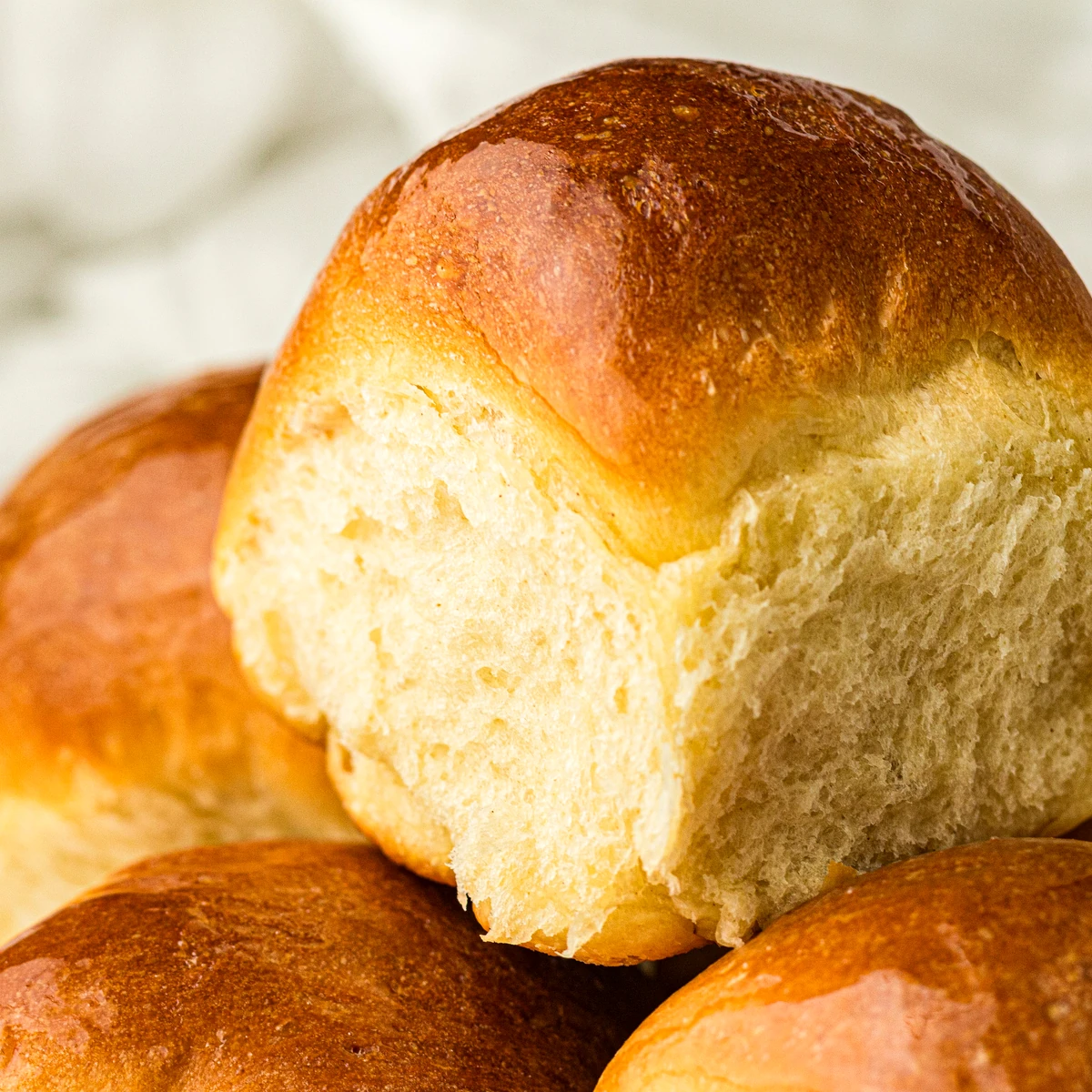
Soft Bread Machine Dinner Rolls
If homemade dinner rolls usually feel like too much work, let the bread machine take care of the messy part.
It mixes, kneads, and gives the dough its first rise while you get on with the rest of dinner. After that, all you need to do is shape the rolls, let them get nice and puffy, and bake.
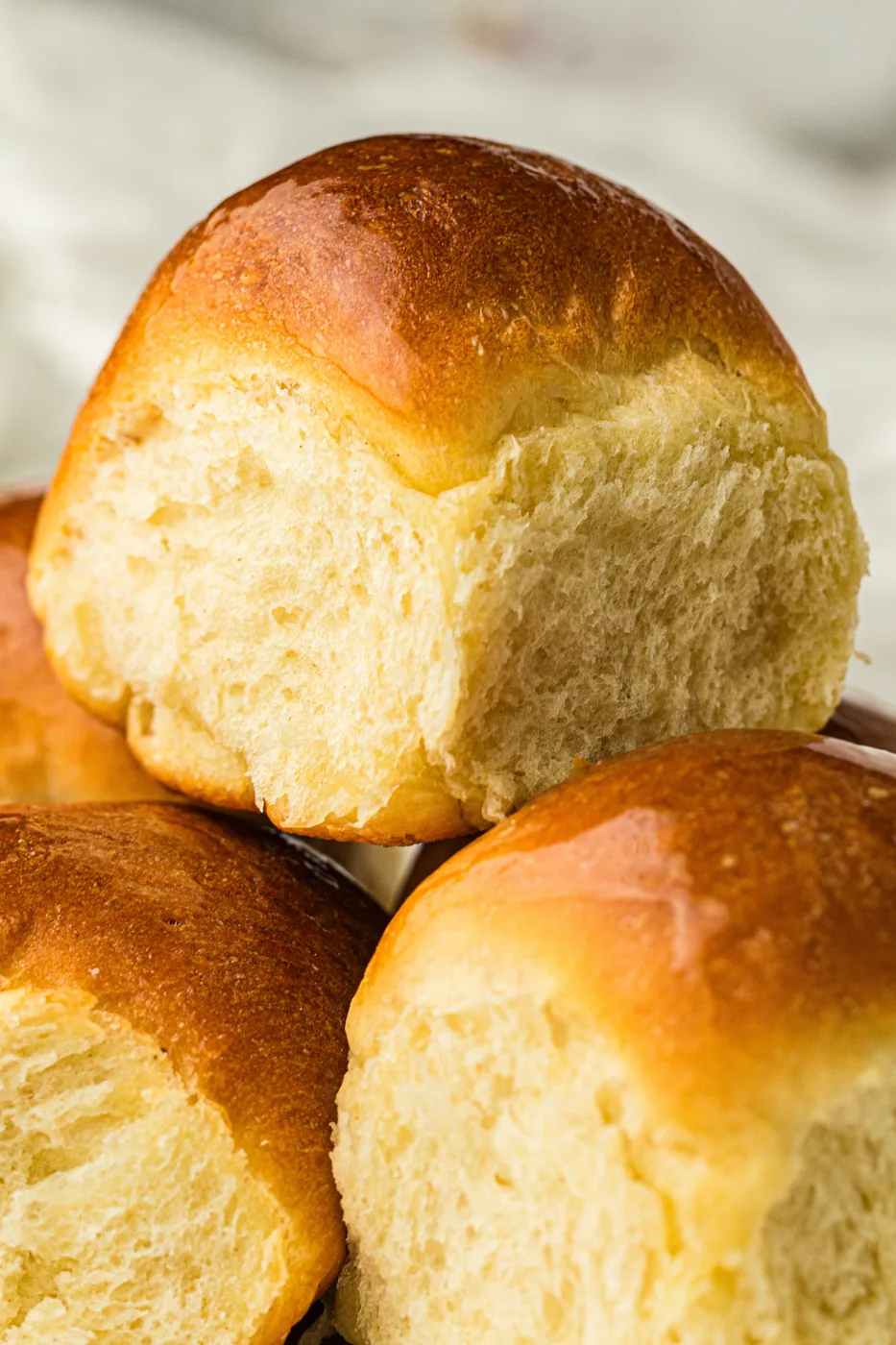
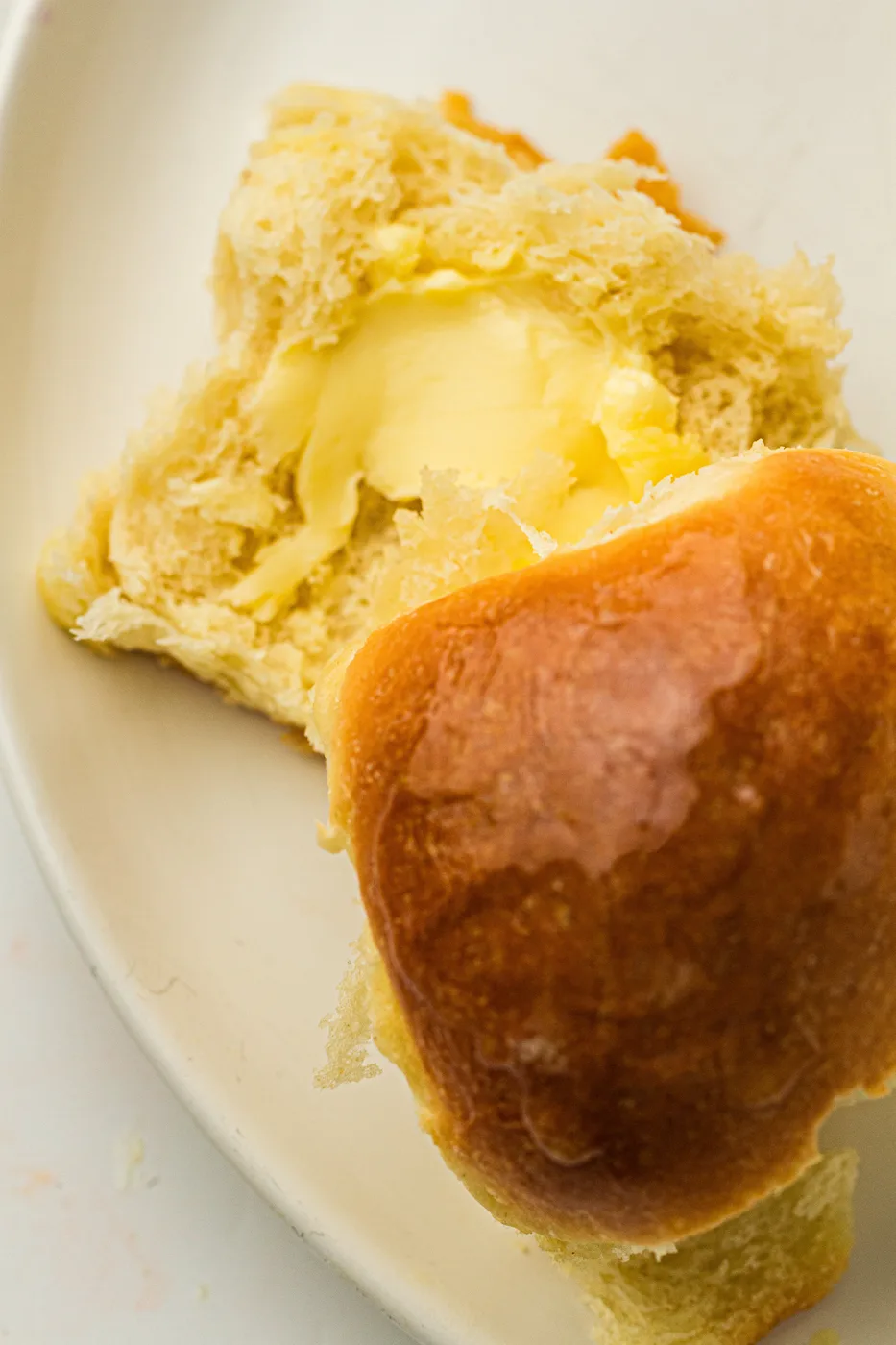
These rolls come out soft, tall, and beautifully golden. The centers pull apart in fluffy layers, and a little melted butter keeps the tops tender.
You only need simple baking ingredients, and the dough is very forgiving. I included the signs to look for, so you won’t have to guess whether it needs a little more flour or milk.
They’re lovely straight from the oven, but you can also make them ahead and freeze them. Warm them before dinner and they’ll taste freshly baked again.
That makes them especially handy for Thanksgiving, when Easy Bread Stuffing and Creamy Scalloped Potatoes are already keeping you busy.
Ingredients You Need
A few basic bread ingredients are all you need for soft, fluffy homemade rolls.

How To Make Bread Machine Dinner Rolls
1. Load the bread machine.
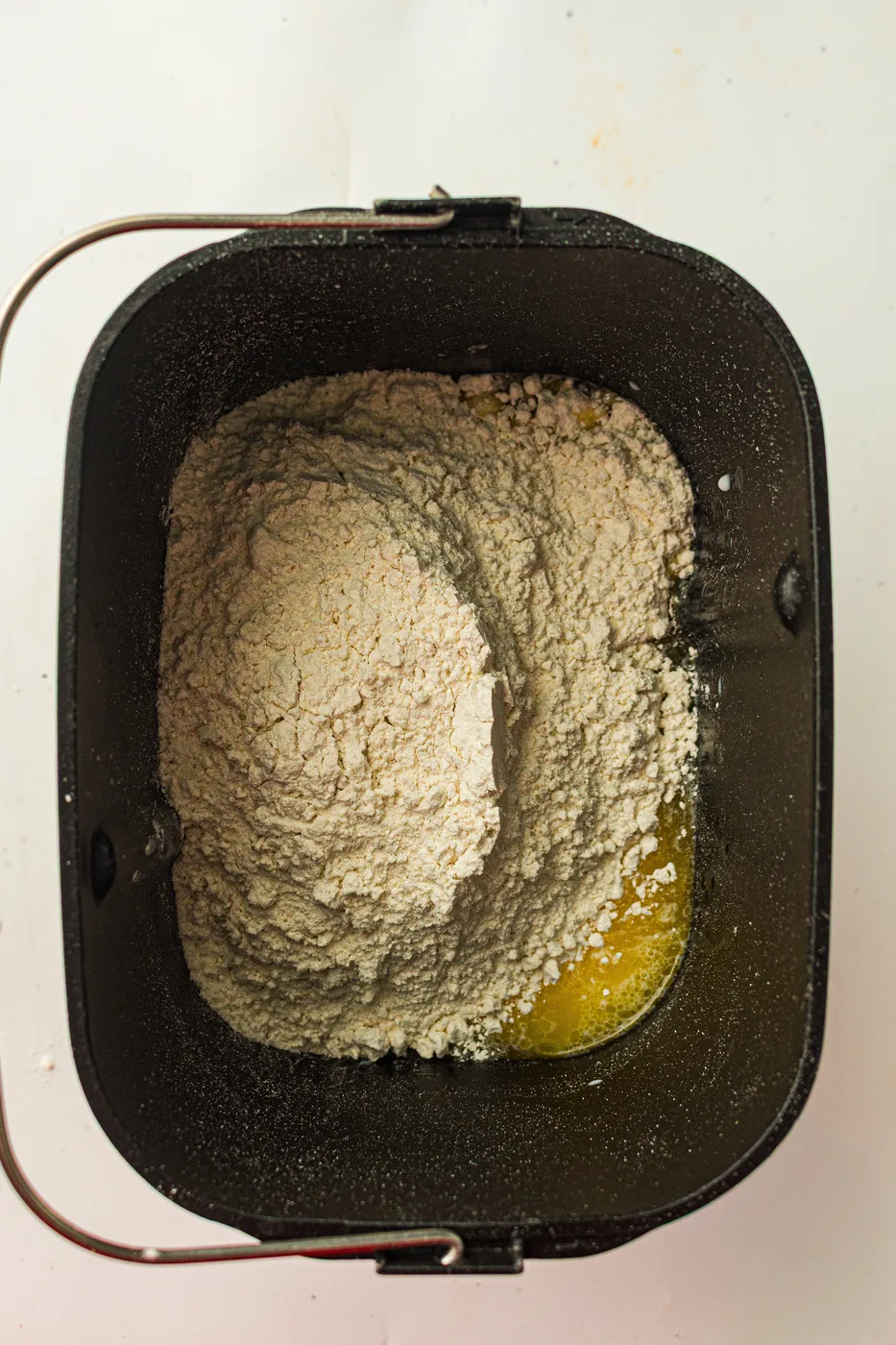
Add the milk, egg, and 1/4 cup melted butter to the bread-machine pan.
Add the sugar and salt, then cover the liquid completely with the flour. Make a shallow well in the center of the flour and add the yeast without letting it touch the liquid.
If your bread-machine manual gives a different ingredient order, follow that instead.
2. Start the dough cycle.
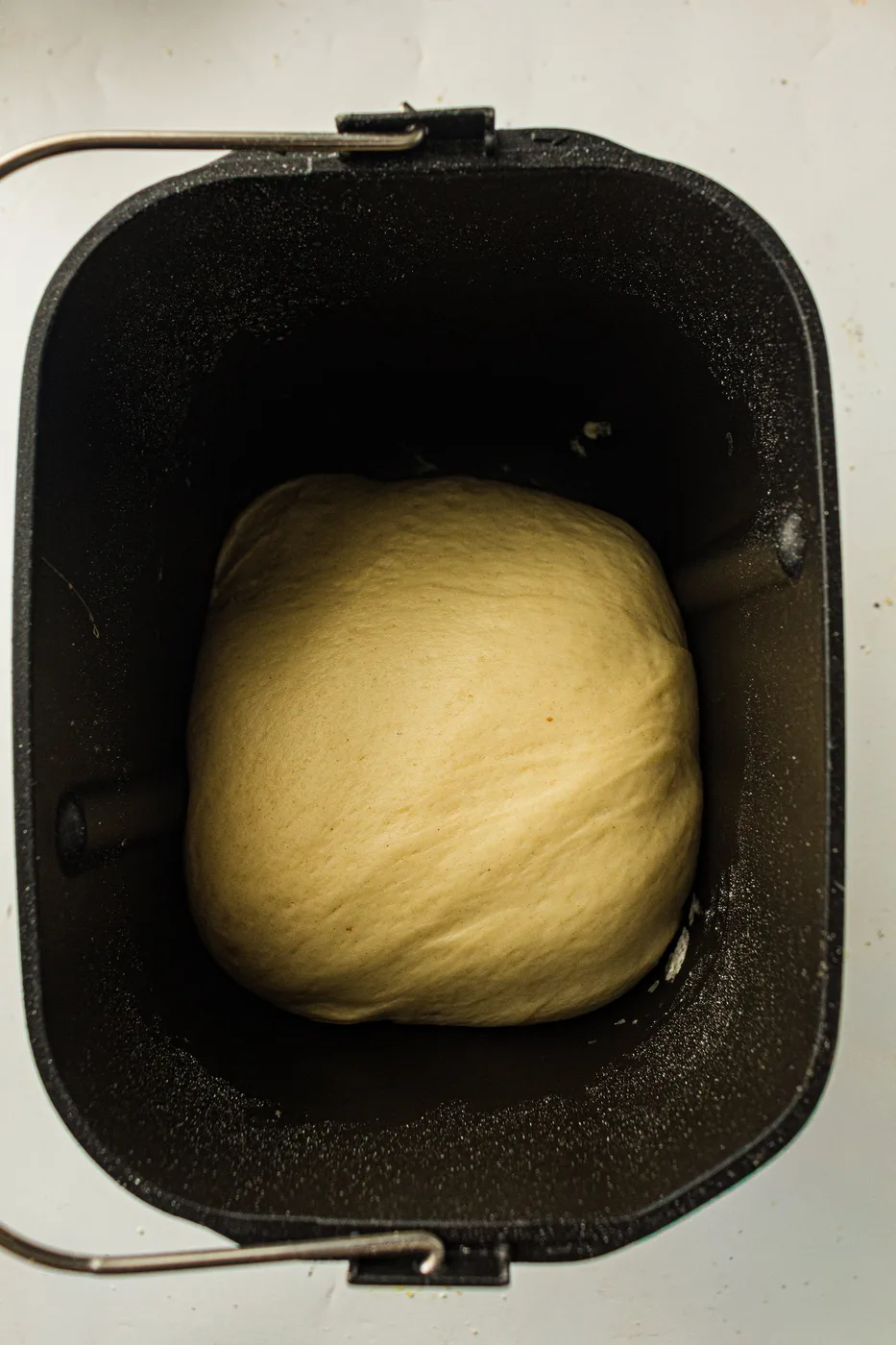
Select the dough or manual cycle and press start.
Check the dough after about 5 minutes of kneading. It should gather into a smooth, soft ball that is slightly tacky but does not smear across the bottom of the pan.
If it looks soupy, add flour one tablespoon at a time. If it looks stiff or the machine struggles, add milk one teaspoon at a time. Give each addition a full minute to mix before changing it again.
3. Let the machine finish the first rise.
Allow the dough cycle to run to completion. Depending on the machine, this generally takes 1 1/2 to 2 hours and includes the first rise.
The dough should look smooth and puffy. Rising time is only a guide; room temperature, yeast, and the machine’s program all affect how quickly dough expands.
4. Divide the dough evenly.
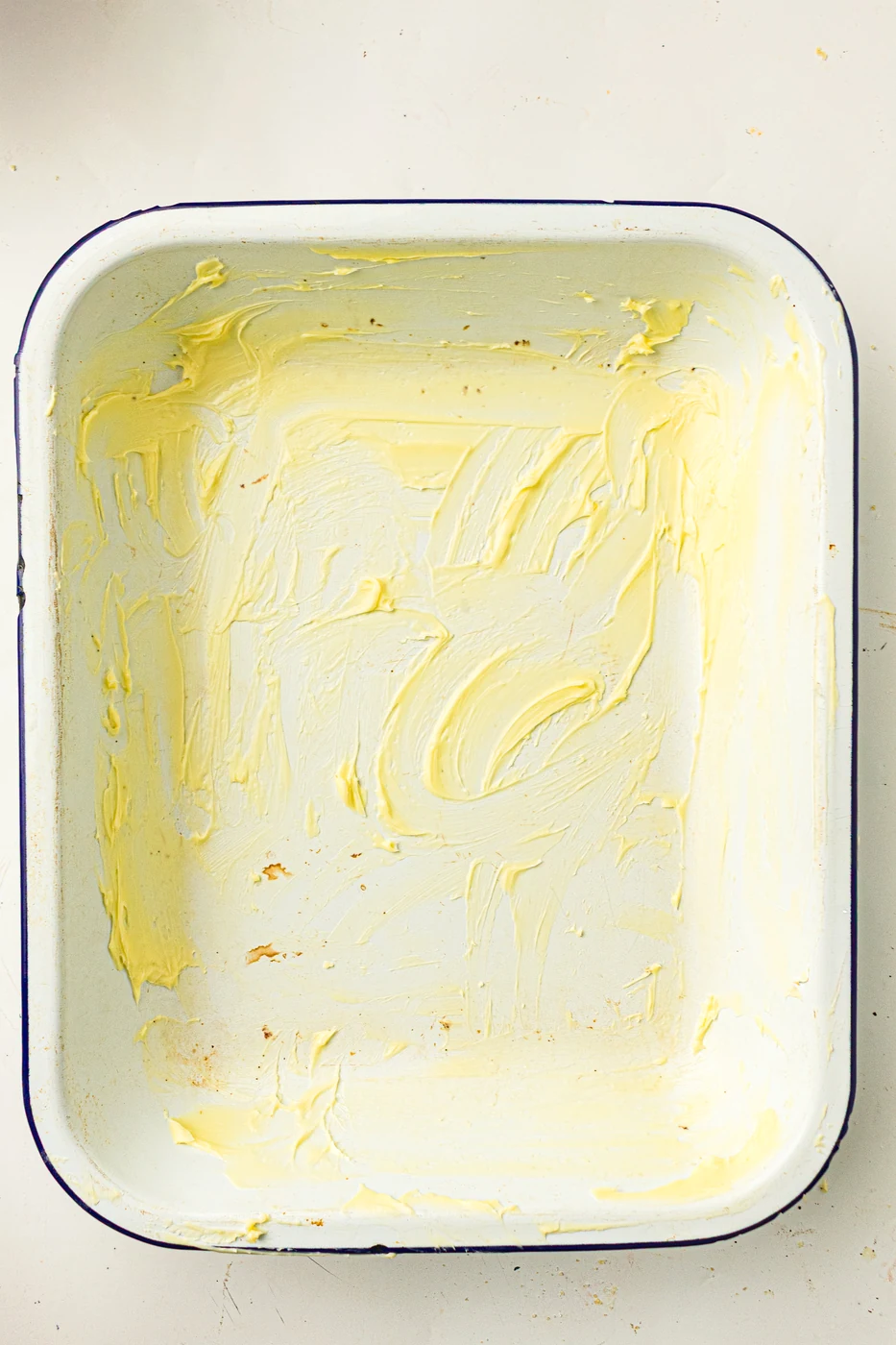
Grease a 9-by-13-inch baking dish.
Turn the dough onto a lightly greased work surface and gently press out the largest air pockets. Divide it into 15 equal pieces.
For uniform rolls, weigh the entire dough and divide that number by 15. The pieces will usually be approximately 60 grams each.
5. Shape tight rounds.
Flatten one piece slightly. Pull its edges toward the center and pinch them together underneath.
Turn the seam down and roll the piece beneath a lightly cupped hand until the top becomes smooth and taut. Repeat with the remaining dough.
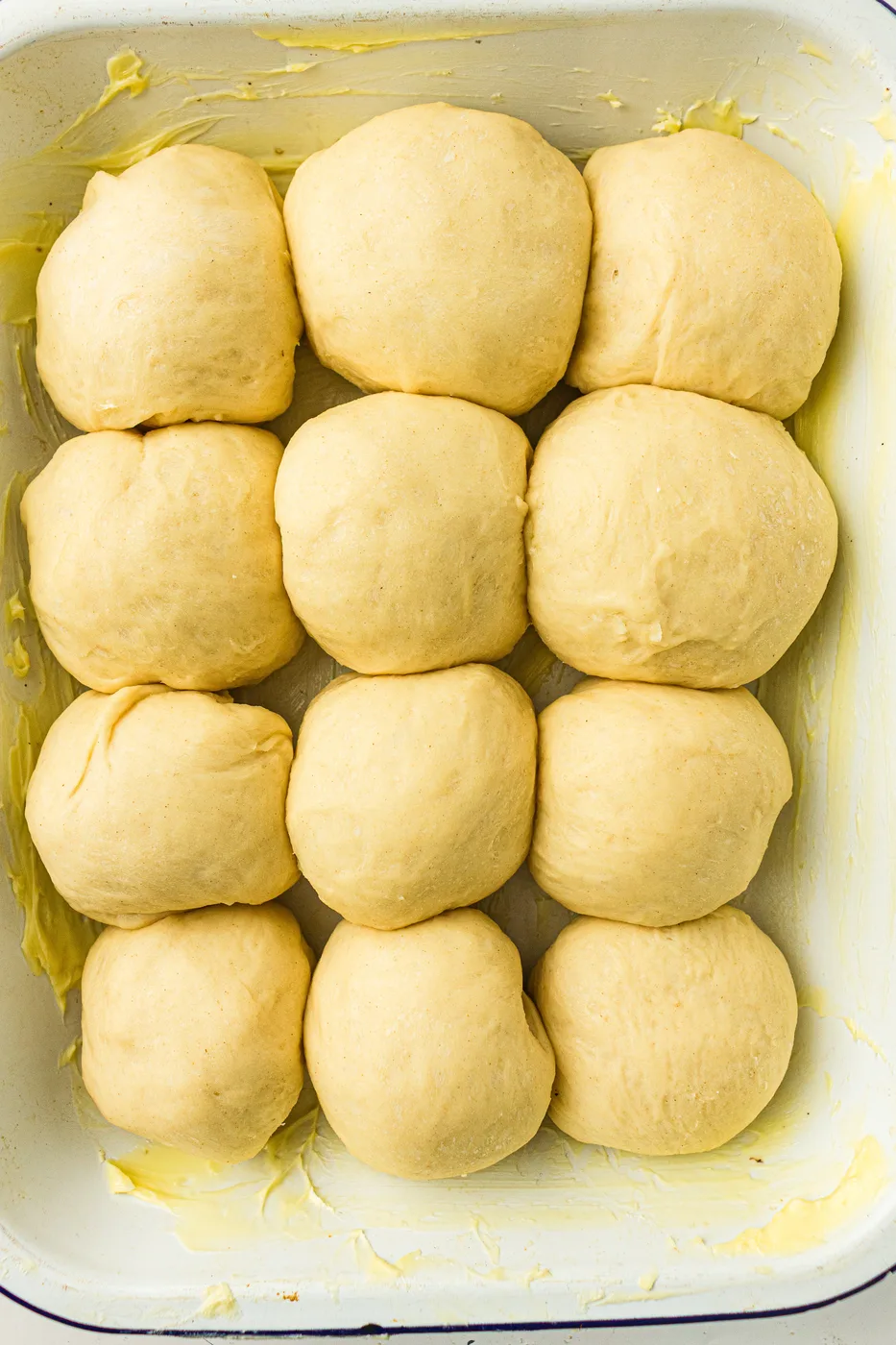
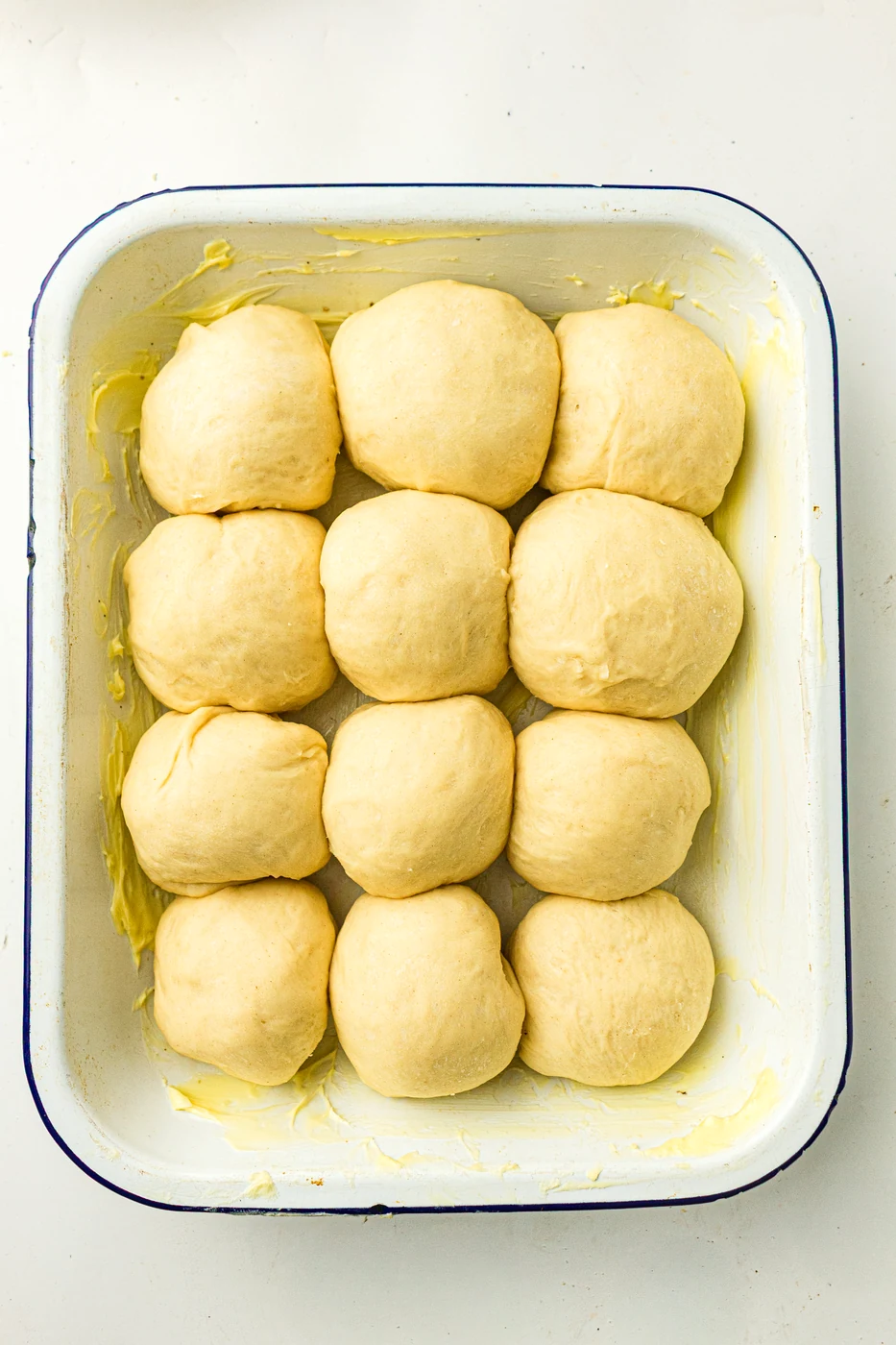
Arrange the rolls in the pan in five rows of three.
6. Let the rolls rise again.
Cover the pan loosely and let the rolls rise in a warm, draft-free place for 35 to 50 minutes.
They are ready when they look puffy, have expanded into one another, and a light fingertip press leaves an indentation that slowly begins to spring back.
Near the end of the rise, heat the oven to 375°F.
7. Bake until golden.
Bake for 18 to 22 minutes, until the tops are deep golden and the center roll reaches approximately 190°F.
If the tops brown too quickly, lay a loose piece of foil over the pan for the final few minutes.
8. Brush with butter.
Brush the hot rolls with the final tablespoon of melted butter as soon as they leave the oven.
Cool them in the pan for 5 minutes, then serve warm or move them to a rack so the bottoms do not become damp.
Why Use the Dough Cycle?
The dough cycle mixes, kneads, and handles the first rise, but it leaves the final shape and bake in your hands.
Baking the rolls together in a regular pan gives them soft pull-apart sides and evenly browned tops. The machine handles the mixing, kneading, and first rise, but you still get homemade rolls shaped exactly how you want them.
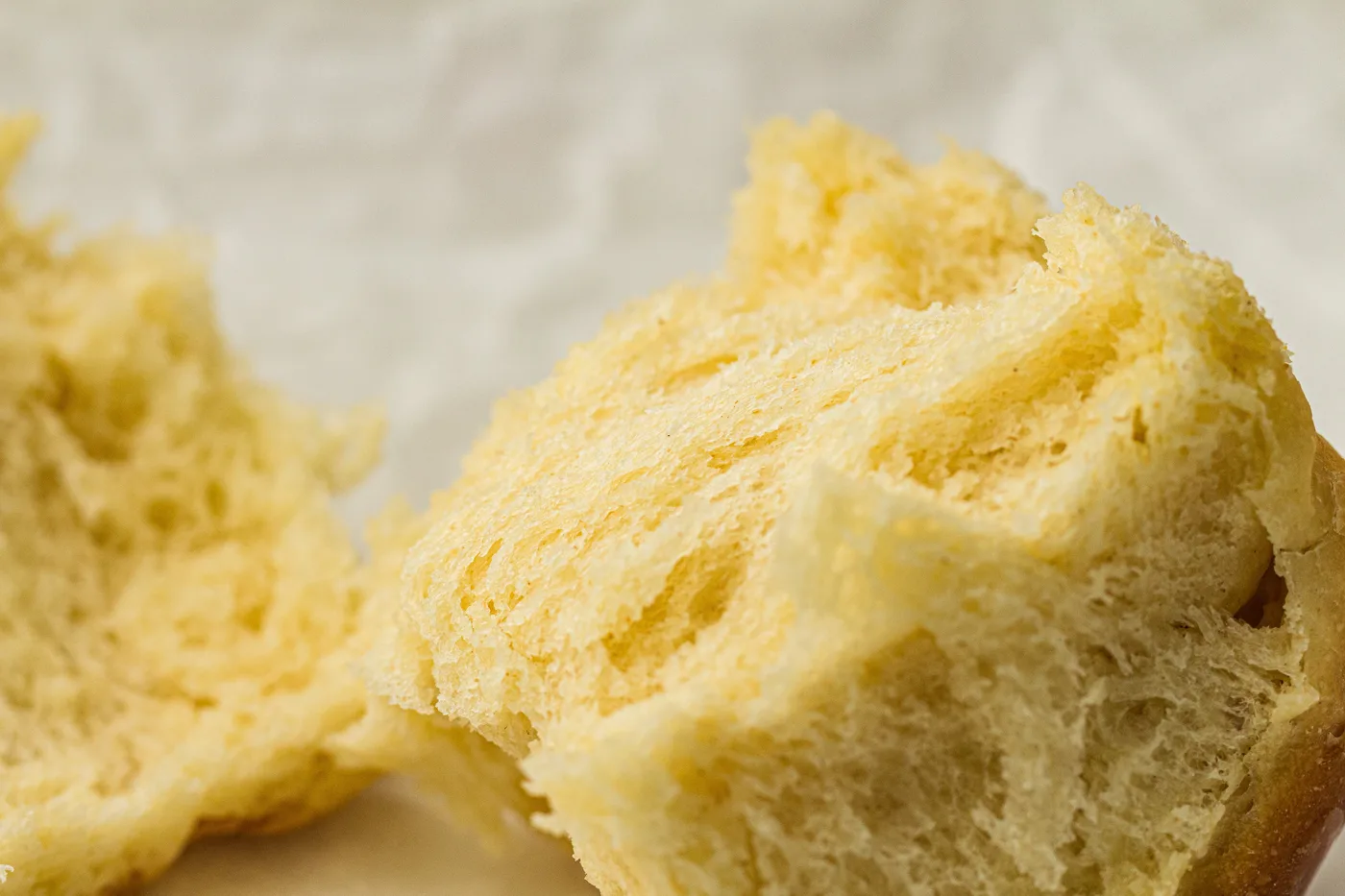
What Should the Dough Look Like?
Enriched roll dough should be softer than sandwich-bread dough.
During kneading, it should form a smooth ball and mostly clear the walls of the pan. A little tackiness at the bottom is normal. A stiff, dry ball usually produces dense rolls, so resist adding flour simply because the dough is not completely dry to the touch.
Measure flour by weight when possible. A packed measuring cup can add enough extra flour to change the texture.
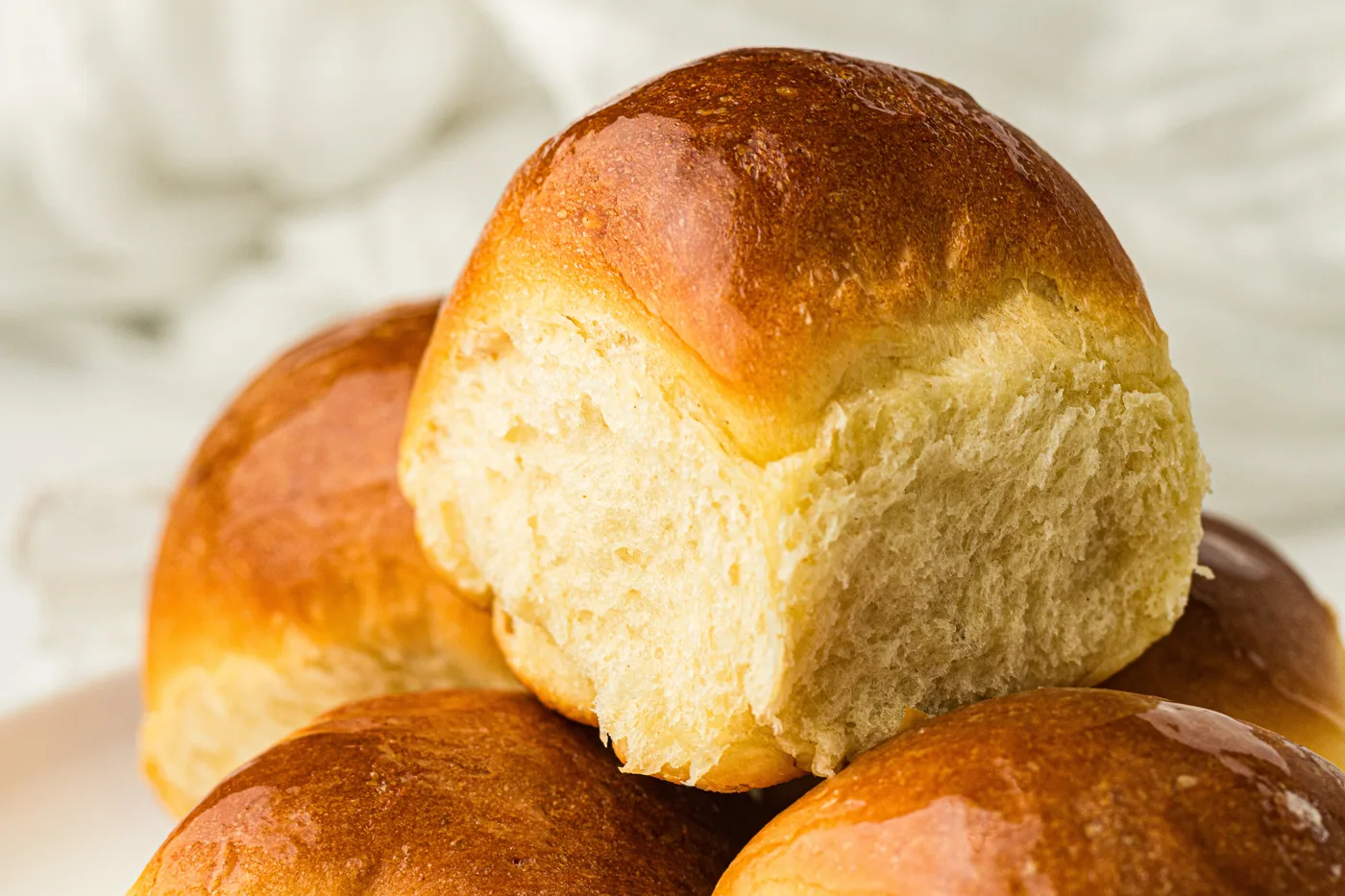
How To Know When the Rolls Have Risen Enough
Watch the dough, not only the timer.
The shaped rolls should look noticeably swollen and begin touching. Press one lightly with a floured fingertip. If it springs back immediately, it needs more time. If the indentation returns slowly, it is ready to bake.
If the dough deflates under the lightest touch, it has likely risen too far. Bake it immediately.
Make-Ahead Options
For same-day convenience, let the bread machine complete the dough cycle several hours before dinner, shape the rolls, and refrigerate the covered pan before the second rise is complete.
The next day, let the pan stand at room temperature until the rolls are puffy, then bake as directed. This may take 60 to 90 minutes depending on how cold the dough is.
You can also bake the rolls completely, cool them, and freeze them in an airtight bag for up to two months. Thaw at room temperature and warm, covered, in a 300°F oven.
Easy Variations
Honey rolls: Replace the sugar with 1/4 cup honey and begin with 2 teaspoons less milk.
Herb rolls: Add 1 teaspoon dried rosemary or Italian seasoning with the flour.
Garlic-butter tops: Mix a pinch of garlic powder into the butter used for brushing.
Smaller batch: Divide the dough into 12 larger pieces and begin checking the bake at 20 minutes.
What To Serve with Dinner Rolls
Use these rolls to catch gravy beside roast turkey, glazed ham, or chicken.
They also balance richer sides such as Easy Creamed Corn and Small-Batch Stuffing Without Eggs.
Storage and Reheating
Keep cooled rolls airtight at room temperature for up to three days. Refrigeration makes bread stale faster, so freeze them for longer storage.
Warm the rolls covered in a 300°F oven for 8 to 10 minutes. A light brush of butter before warming helps refresh the crust.
Quick Bread Machine Roll Questions
Can I use bread flour?
Yes. The rolls may be slightly chewier and could need an extra teaspoon or two of milk.
Why are my rolls dense?
Too much flour, weak yeast, or an incomplete second rise are the most common causes. Check the dough early and let the shaped rolls become visibly puffy.
Can I use active dry yeast?
Yes. Bread-machine and instant yeast are the simplest options, but active dry yeast can work if your machine permits it. Follow the manufacturer’s recommendation.
Why did the tops brown before the center baked?
The pan may be high in the oven or the rolls may have been shaped too large. Cover loosely with foil and continue until the center roll is about 190°F.

Soft Bread Machine Dinner Rolls
The bread machine mixes, kneads, and raises this buttery milk-and-egg dough. Shape it into 15 rolls and bake until soft, tall, and golden.
- Total TimeAbout 3 hours
- Yield15 rolls 1x
Ingredients
- 1 cup whole milk, lukewarm
- 1 large egg, at room temperature
- 1/4 cup unsalted butter, melted and cooled slightly
- 1/4 cup granulated sugar
- 1 1/4 teaspoons fine salt
- 3 1/2 cups all-purpose flour, 420 grams, plus more only if needed
- 2 1/4 teaspoons instant or bread-machine yeast
- 1 tablespoon unsalted butter, melted, for brushing
Instructions
- Add the milk, egg, and 1/4 cup melted butter to the bread-machine pan. Add the sugar and salt, cover with flour, and place the yeast in a shallow well in the flour. Follow the manufacturer’s order if different.
- Run the dough cycle. After 5 minutes, check for a soft, smooth, slightly tacky ball. Add flour one tablespoon at a time if soupy or milk one teaspoon at a time if stiff.
- Let the cycle complete, including the first rise.
- Grease a 9-by-13-inch dish. Divide the dough into 15 equal pieces, shape tight rounds, and arrange them in five rows of three.
- Cover and rise for 35 to 50 minutes, until puffy and touching. Heat the oven to 375°F near the end.
- Bake for 18 to 22 minutes, until deep golden and approximately 190°F in the center roll.
- Brush immediately with 1 tablespoon melted butter. Cool for 5 minutes before serving or moving to a rack.
Notes
- Ingredient order varies by bread-machine manufacturer; follow the machine manual when it differs.
- Weighing the flour and dough portions gives the most consistent texture and size.
- Judge both rises by visible expansion rather than the clock alone.
- Store airtight for up to three days or freeze for up to two months.
- Prep Time: 20 minutes
- Cook Time: 18 to 22 minutes
